

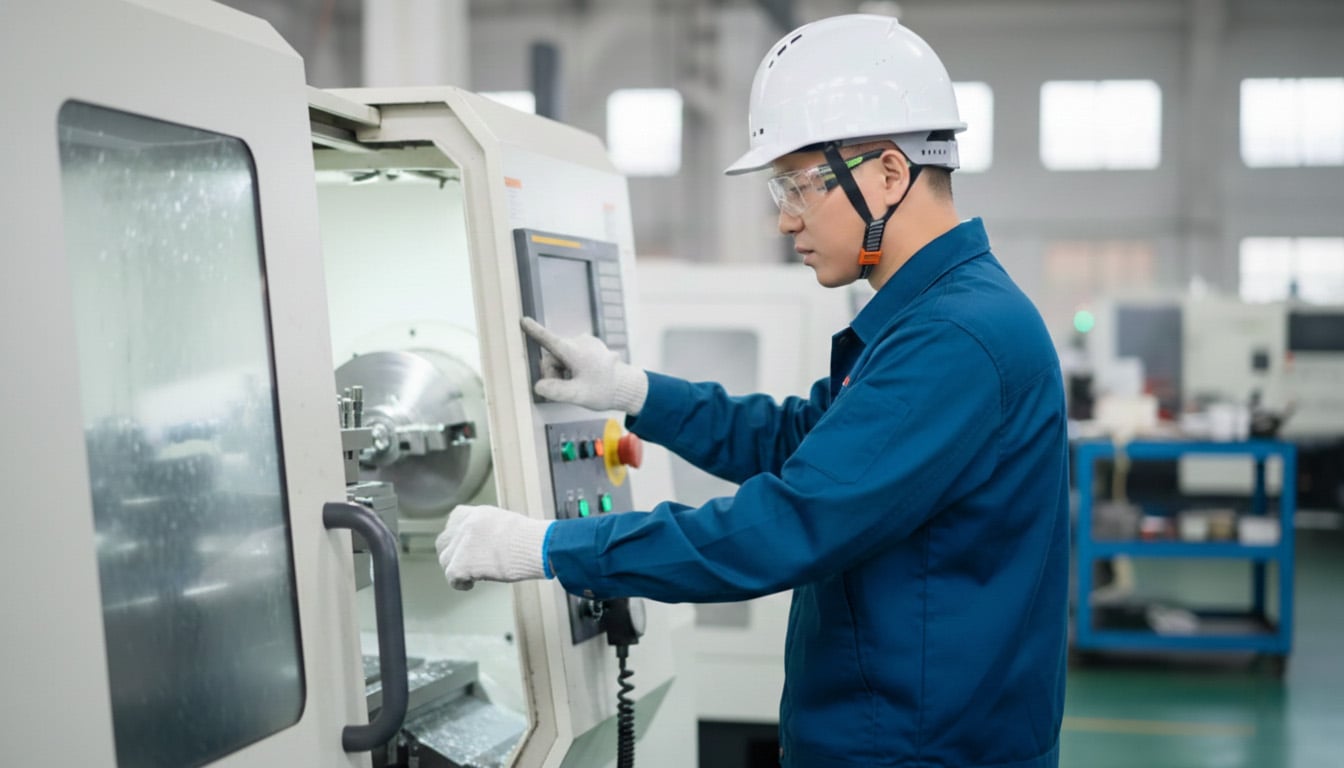
From 2025 into 2026, industries such as electric vehicles (EV), semiconductors, and LEO satellites have experienced rapid expansion. Yet, many manufacturers are discovering a critical reality:
Expanding capacity does not necessarily increase output.
The real challenge lies in identifying and eliminating production line bottlenecks that limit throughput, flexibility, and responsiveness. In many cases, the issue is not whether a factory owns enough machines, but whether the entire production system can convert installed capacity into stable, scalable output.
Despite heavy investment in advanced machinery, many factories face a “capacity stall.” The problem is not machine capability—but system inefficiency. In other words, modern production line bottlenecks are increasingly created by coordination gaps, unstable handoff timing, and mismatched process design rather than by the cutting performance of a single machine alone.
01. Order Fragmentation
Smaller batch sizes and frequent changeovers make traditional long-run production strategies obsolete. What used to be an efficient planning model under stable order structures now becomes increasingly fragile when market demand changes rapidly and product mixes shift within shorter cycles.
02. Mixed-Model Production
Running multiple product variants on a single line demands extreme flexibility. The line must absorb variation in material handling, machining sequence, cycle balancing, and fixture switching without creating new delays between stations.
03. Structural Labor Shortages
Labor shortages are no longer temporary. Automation depth now defines operational stability. When skilled operators, technicians, and maintenance personnel become harder to secure, factories can no longer rely on manual adjustment as the invisible buffer that absorbs daily disruption.
04. Extreme Lead-Time Pressure
Compressed delivery windows demand higher OEE and faster response times. Under these conditions, even small interruptions between linked processes can expand into significant losses in daily output and shipment reliability.
Many enterprises find themselves in a “capacity stall” even after investing in state-of-the-art machinery. The core issue is that many organizations still approach expansion with a single-machine procurement mindset, lacking modular line integration thinking and the foresight for multi-functional equipment adoption.
This often results in commissioning-to-SOP lead times that exceed initial projections by more than 30% due to hidden debugging costs, while leaving factories vulnerable to sudden market shifts or product demand changes. In practice, these hidden delays are often the most damaging production line bottlenecks, because they remain invisible during purchasing decisions and only appear after installation begins.
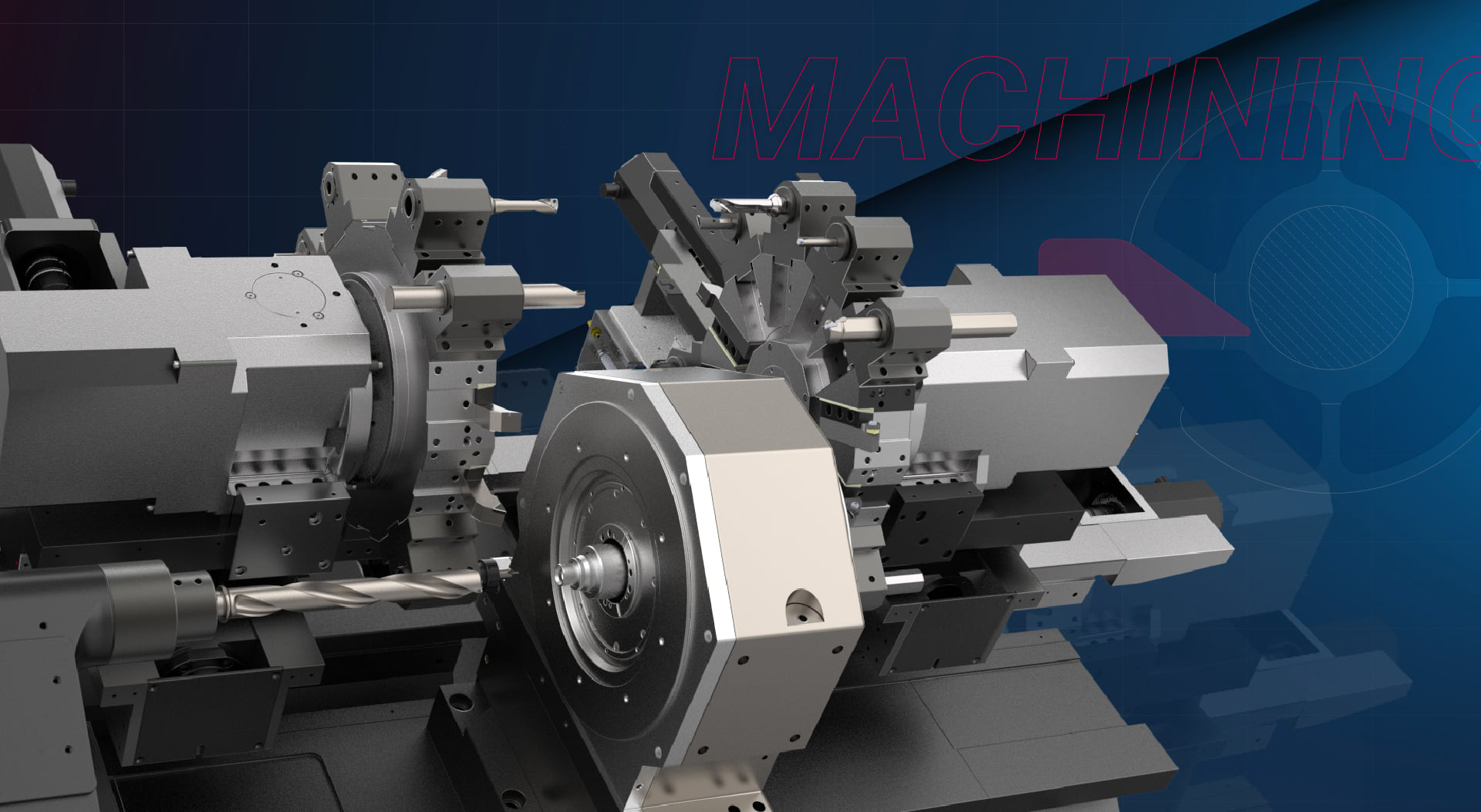
True throughput is not determined by the absolute number of machines, but by line synchronization capability and the inherent flexibility of the production system. When single-machine efficiency reaches its limit, the continuity, synergy, and adaptability of the entire line become the true drivers of profit margin and resilience.
To ensure that equipment capabilities are effectively converted into actual output while addressing the demands for agility and footprint reduction, Fastcut recommends reconfiguring production strength across these critical dimensions. The goal is not only to improve machine utilization, but to systematically remove production line bottlenecks before they begin to constrain expansion.
1. Embrace Multi-Functional (Compound) Machines
2. Optimize Spindle Processing Efficiency
Refine cutting paths and parameters to ensure core processing cycles do not become line bottlenecks. When machining time is imbalanced across linked stations, downstream waiting and upstream accumulation will quickly weaken the overall line rhythm.
3. Implement Advanced Automated Loading/Unloading Systems
Eliminate the randomness of manual handling and establish precise material-handling standards. This is especially important in high-mix production, where consistency in transfer timing is essential to reducing variability across the line.
4. Configure Strategic Buffer Capacity
Use scientific calculations to deploy buffer zones that absorb micro-stoppages between machines, maintaining a continuous flow. Properly designed buffers do not represent waste; they act as operational shock absorbers that protect the line from short-term instability.
5. Maximize Unattended Continuous Machining Time
Implement automated monitoring and compensation systems to achieve stable production across multiple shifts. Extending unattended machining time not only raises utilization, but also reduces the dependency of output on narrow labor availability windows.
In addition, manufacturers should evaluate how each process interacts with upstream and downstream stations rather than reviewing equipment in isolation. This line-level perspective is often the difference between apparent capacity growth and actual shipment growth. When planning future investment, the most valuable question is no longer “How fast is this machine?” but “How effectively does this machine remove or prevent production line bottlenecks across the entire system?”
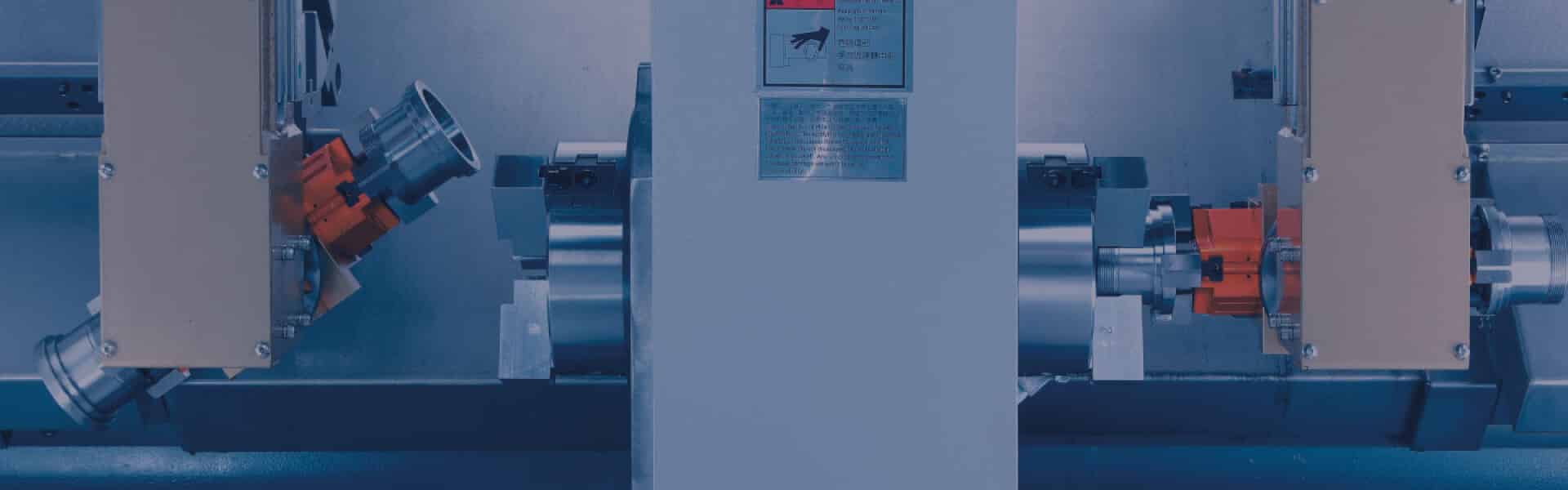
The competition in 2026 is not merely a race of expansion speed, but a duel of line capacity conversion efficiency, production flexibility, and footprint optimization. Manufacturers that can identify and resolve production line bottlenecks earlier will be better positioned to scale with confidence, protect margins, and respond faster to volatile order structures.
If you are currently planning a new production line or evaluating expansion feasibility, we invite you to consult with the Fastcut team. We provide deep professional insight into processing cycles and line configurations, ensuring that every piece of equipment becomes a high-value component of total capacity.
For a closer look at our approach to production technology and machine solutions, you may also explore related pages on the Fastcut website.
For broader reference on manufacturing efficiency and production performance, readers may also review public resources such as Overall Equipment Effectiveness (OEE). These external references help frame how line-level efficiency is measured across the industry.
What are production line bottlenecks?
Production line bottlenecks are processes, stations, or transfer points that restrict the overall throughput of a manufacturing system. They are often found not only in machining itself, but also in loading, unloading, waiting, changeover, and process coordination.
Why doesn’t adding more machines always increase output?
Because output depends on the performance of the whole line rather than the isolated capability of each machine. If synchronization, material flow, or buffer design is weak, adding more machines may simply create new production line bottlenecks elsewhere.
How can manufacturers reduce production line bottlenecks?
Manufacturers can reduce production line bottlenecks by improving line integration, adopting multi-functional equipment, standardizing material handling, optimizing spindle cycle balance, and designing appropriate buffer capacity between linked processes.
What is the role of automation in solving production line bottlenecks?
Automation reduces variability, improves transfer consistency, and extends unattended production time. When designed properly, it helps stabilize output and prevents hidden losses caused by manual interruption, unstable handling, and labor shortages.
If you are based in the North America , feel free to reach out to our local partner

|