

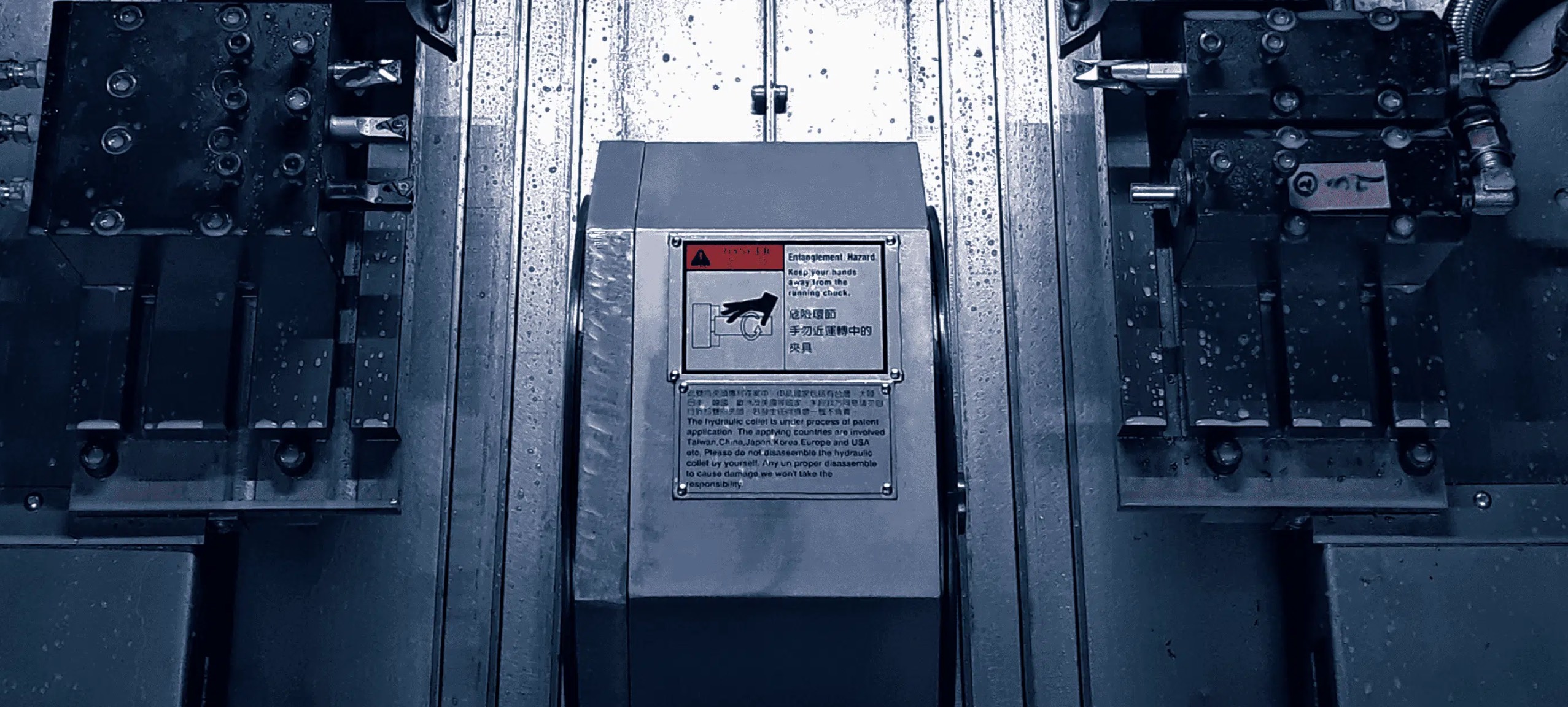
In precision manufacturing, the center drive lathe has emerged as a defining solution for production lines that demand both high concentricity and throughput. When machining long shafts, heavy tubes, or complex couplings, conventional CNC lathes force a two-step process: machine one end, stop, flip the part, then machine the other. Each flip introduces repositioning errors, extends cycle time, and adds labor. The center drive lathe was engineered specifically to remove these constraints from the production equation.
For manufacturers targeting tighter tolerances, faster throughput, and leaner operations, understanding what a center drive lathe actually does—and why it matters—is no longer optional. It is a competitive requirement.
This article breaks down the core technical advantages of center drive machining, the measurable benefits on the production floor, and the specific engineering decisions that make Fastcut's center drive lathe a long-term investment in line stability.
The answer lies in geometry and process logic. A center drive lathe clamps the workpiece at its midpoint—the center—rather than at one end. This single structural decision unlocks four compounding advantages that directly impact output quality and cycle time.
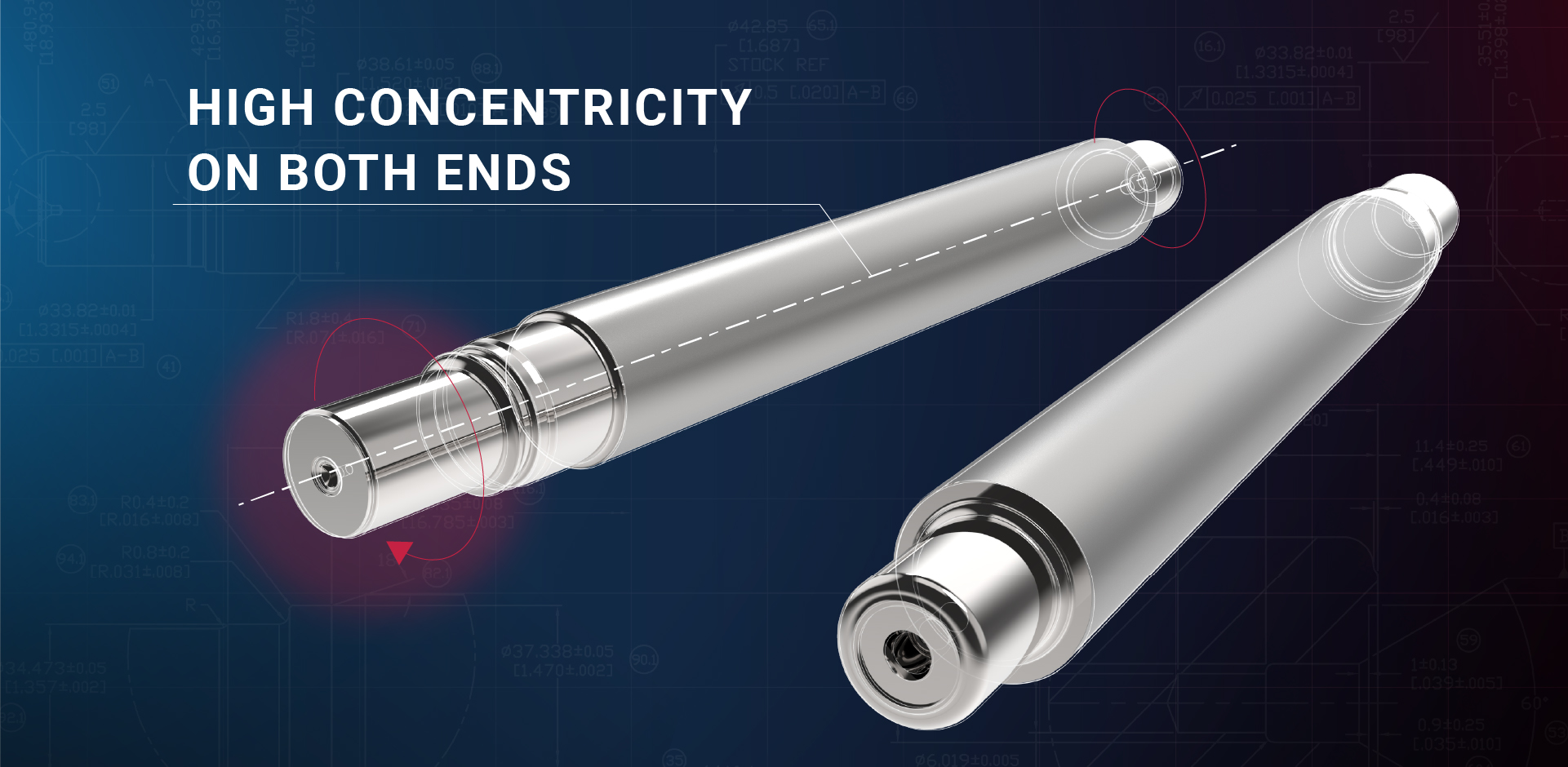
01. High Concentricity — Zero Flip Errors
Center clamping secures the workpiece at its true midpoint, ensuring that both ends are machined along the exact same axis. This eliminates the coaxiality errors that occur when a part is re-chucked after flipping. For components with strict runout tolerances—driveshafts, hydraulic cylinders, spindle housings—this is not a minor improvement. It is the difference between a conforming and non-conforming part.
02. Dual-End Simultaneous Machining
Instead of the conventional sequence—machine one end, stop, unload, flip, reload, machine the other—the center drive lathe operates on both ends in a single setup. Both turrets engage simultaneously, cutting total process time dramatically. This is the primary reason cycle time reductions of over 60% are achievable compared to two-op conventional turning.
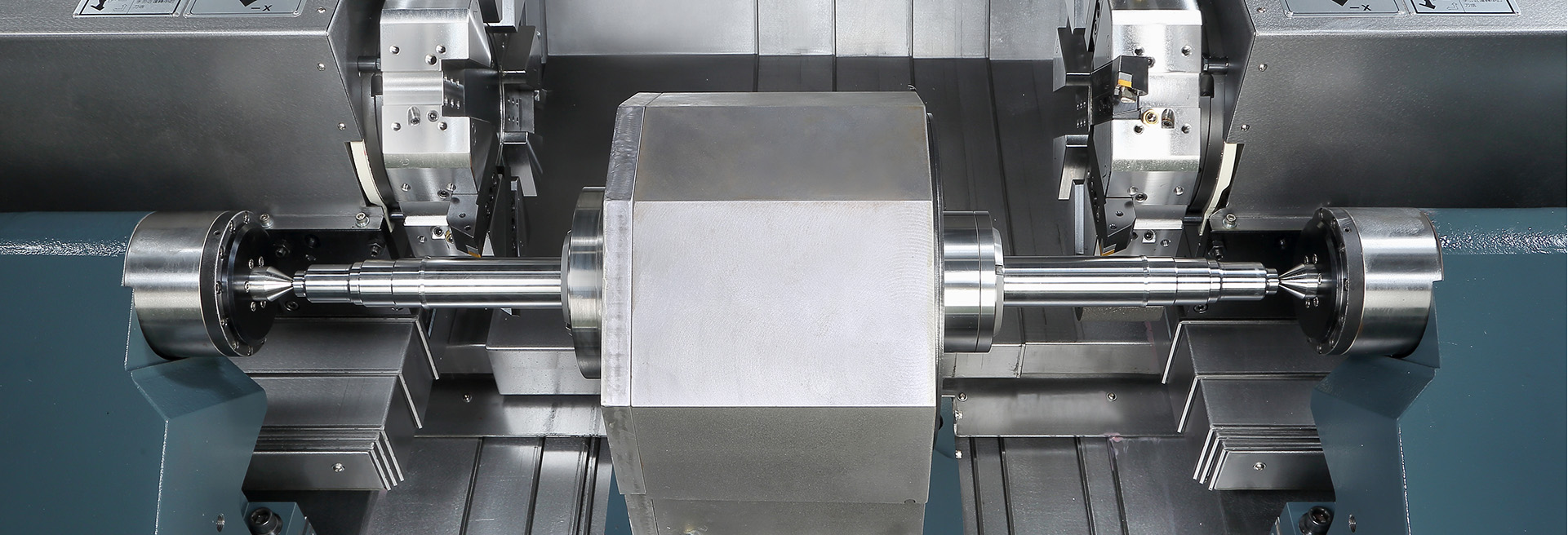
03. Specialist in Long and Heavy Parts
Long shafts and large-diameter tubes are difficult to flip safely and tend to flex or deflect during single-end clamping. The center drive lathe supports the workpiece at its balance point, enabling continuous, stable machining without repositioning. Dimensional consistency is maintained across the entire length of the part—critical for components used in CNC precision turning applications in energy, transportation, and heavy industry.
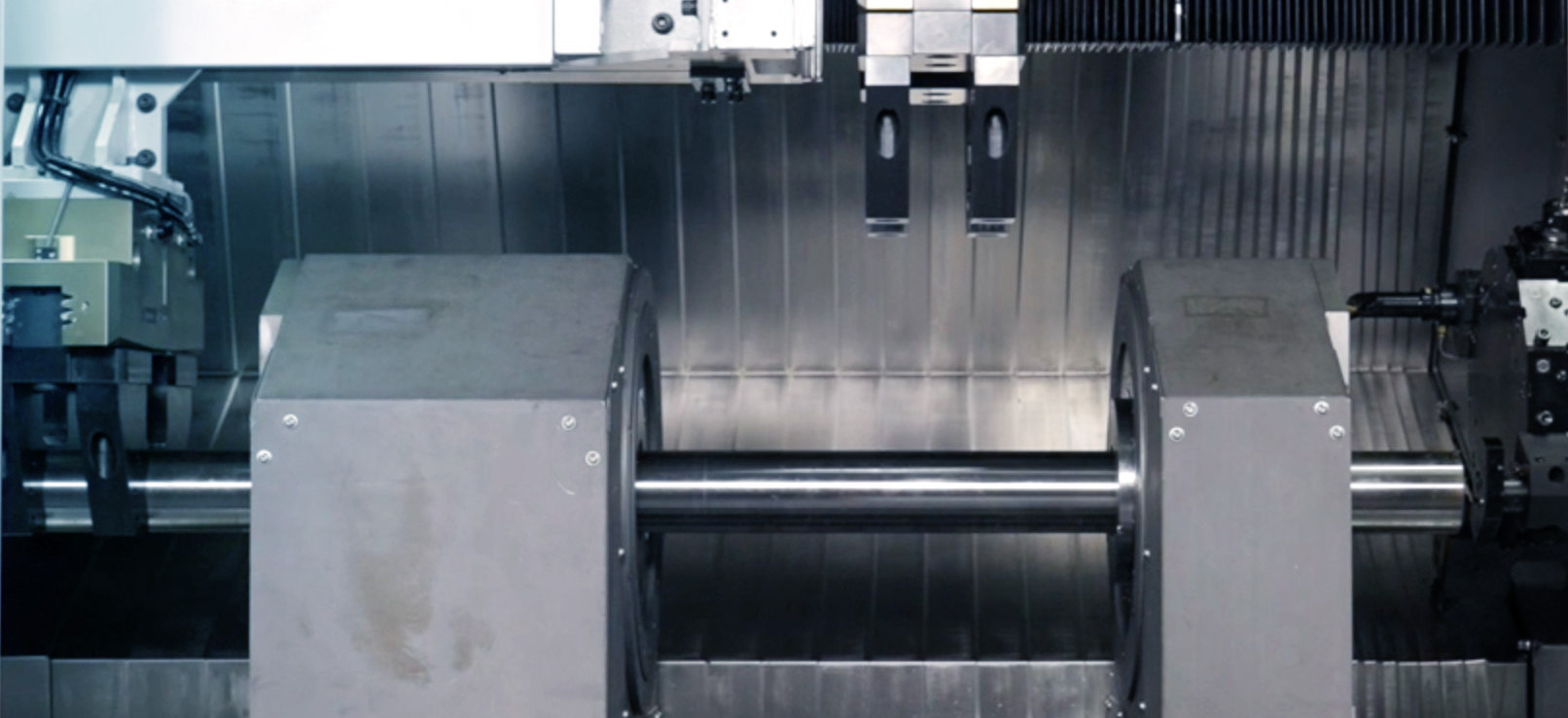
04. Multi-Spindle Efficiency with Twin Turrets
With twin turrets operating in parallel, a single center drive lathe can perform end-facing, boring, threading, and drilling on both ends at the same time. This parallel processing model compresses what was previously a four-operation sequence into a single machine cycle—boosting production speed by over 60% while directly reducing headcount requirements per part.
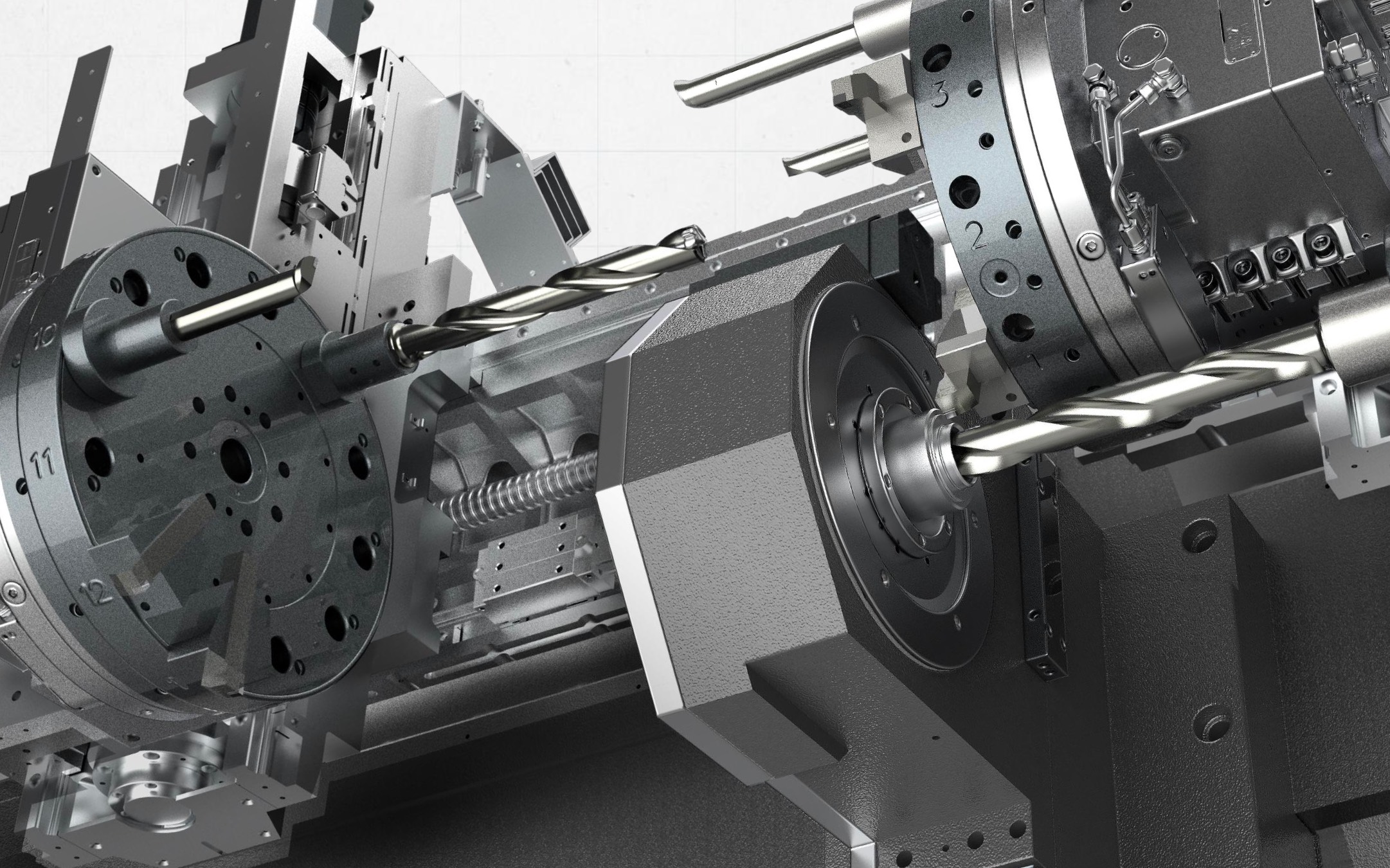
When a center drive lathe replaces a two-operation conventional setup, the impact is felt across the entire production line—not just at the machine level. Here is what manufacturers consistently report after the transition:
In today's fast-changing, multi-variant production environment—where customers demand shorter lead times and tighter tolerances simultaneously—the center drive lathe is becoming a standard requirement for competitive manufacturing lines, not an upgrade option.
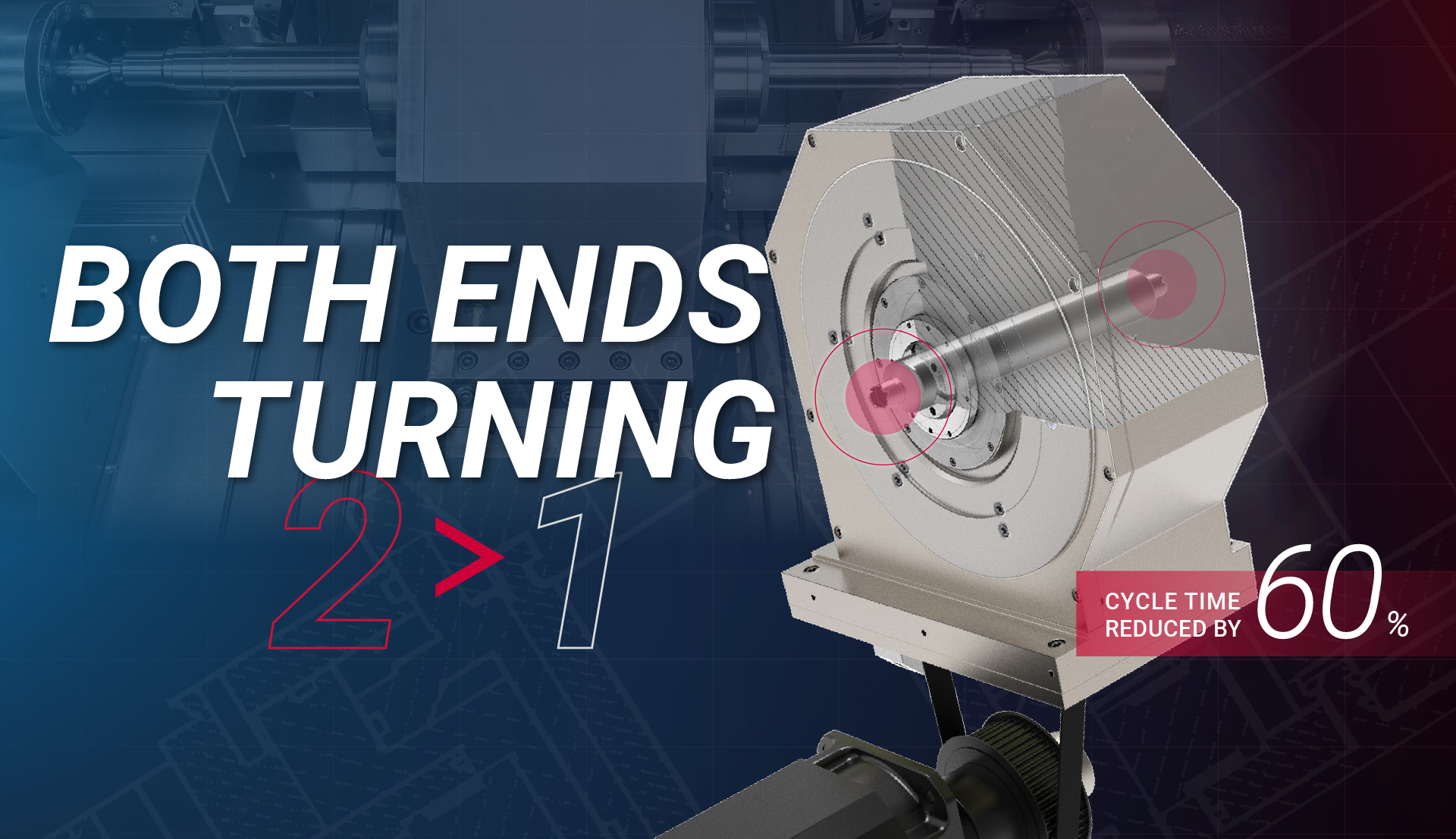
Not all center drive lathes are engineered equally. Fastcut's center drive lathe incorporates two specific design decisions that address failure modes common in long production runs.
World Patent — Self-Keeping Hydraulic Chuck
Most hydraulic chucks require continuous hydraulic pressure to maintain clamping force. When pressure fluctuates or is cut, thermal expansion in the spindle can shift clamping position—introducing micro-errors that accumulate over a production shift. Fastcut's patented self-keeping hydraulic chuck holds pressure without continuous supply. Once clamped, the workpiece stays locked at the correct position regardless of hydraulic state changes. Spindle thermal expansion is isolated from clamping behavior, and accuracy remains stable across long production runs.
Minimalist, Durable Spindle Design
The spindle and chuck system in Fastcut's center drive lathe consists of fewer than 15 components. Fewer parts mean fewer potential failure points, simpler preventive maintenance, and faster service when maintenance is required. This design philosophy directly extends machine service life and keeps unplanned downtime—the most costly disruption to any production line—at a minimum.
For a closer look at our engineering approach, visit the Fastcut technology page or explore the full center drive lathe product line for specifications and application examples.
Choosing Fastcut means investing not just in a lathe, but in a stable, efficient, and future-proof production foundation.
Q: What types of parts are best suited for a center drive lathe?
A center drive lathe is best suited for long shafts, heavy tubes, couplings, and any cylindrical workpiece where concentricity between both ends is critical. Parts that are difficult or unsafe to flip—due to length, weight, or material sensitivity—are ideal candidates for center drive machining.
Q: How much faster is a center drive lathe compared to conventional two-operation turning?
By machining both ends simultaneously in a single setup, a center drive lathe can reduce cycle time by more than 60% versus a conventional two-op approach. The elimination of the flip operation, re-chucking time, and second-machine queue time all contribute to this improvement.
Q: What makes Fastcut's center drive lathe different from other brands?
Fastcut holds a world patent on its self-keeping hydraulic chuck, which maintains clamping pressure without continuous hydraulic supply—preventing thermal drift errors during long production runs. Combined with a spindle-and-chuck system of fewer than 15 components, Fastcut's center drive lathe is designed for minimal downtime and long-term dimensional stability.
Q: Is a center drive lathe suitable for automated production lines?
Yes. The center drive lathe's single-setup, dual-end machining process makes it highly compatible with automated loading and unloading systems. Fewer handling steps reduce integration complexity, and the machine's stable clamping behavior supports unattended or lights-out production scenarios.