

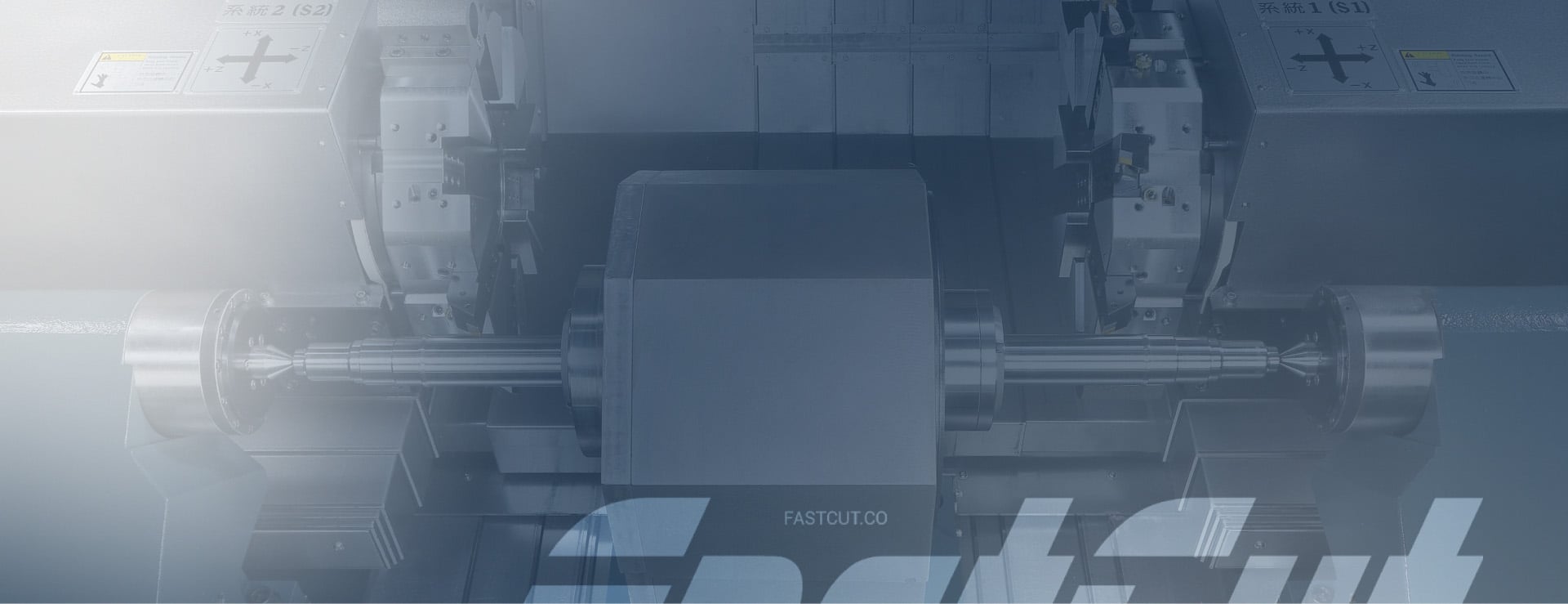
In today's hyper-competitive global supply chain, simply adding more machines is no longer the key to profitability. Floor Space Productivity and Process Integration have become the core benchmarks for measuring a modern factory's competitiveness. The rise of the center drive lathe represents a fundamental shift in how manufacturers think about output—not by expanding footprint, but by maximizing what each machine can do.
As part complexity rises, traditional single-operation machining is being replaced by the "Done-in-One" philosophy—completing parts in a single setup, with zero inter-machine transfers.
The conventional approach to scaling production—buying more lathes, more mills, more drilling machines—creates as many problems as it solves. Floor space fills up. Coordination complexity multiplies. And every inter-machine transfer introduces new opportunities for error.
A center drive lathe challenges this logic at its root. By enabling simultaneous front-and-back machining on a single platform, it condenses what previously required two or more machines into one compact, high-output cell. The result is a factory that produces more without growing larger.
Even if your machines run 24/7 and cutting speeds are optimized to the limit, your margins may still be consumed by invisible inefficiencies. These are the four hidden costs most factory managers underestimate:
A properly configured center drive lathe with integrated milling and drilling capability directly addresses all four of these cost drivers in a single investment.
The solution Fastcut offers isn't just higher RPM—it's Smarter Machining Logic. By rethinking how a center drive lathe interacts with milling turrets and deep-hole drilling modules, Fastcut has engineered a platform that redefines what one machine can accomplish.
01. Dual-End Machining: The Ultimate Tool for Doubling Floor Space Productivity
Through a dual-spindle center drive lathe design, simultaneous or sequential front-and-back machining becomes possible. Work that previously required two machines and twice the footprint is now condensed into one. This not only doubles your factory's output per square foot but also eliminates the accuracy risks associated with secondary setups.
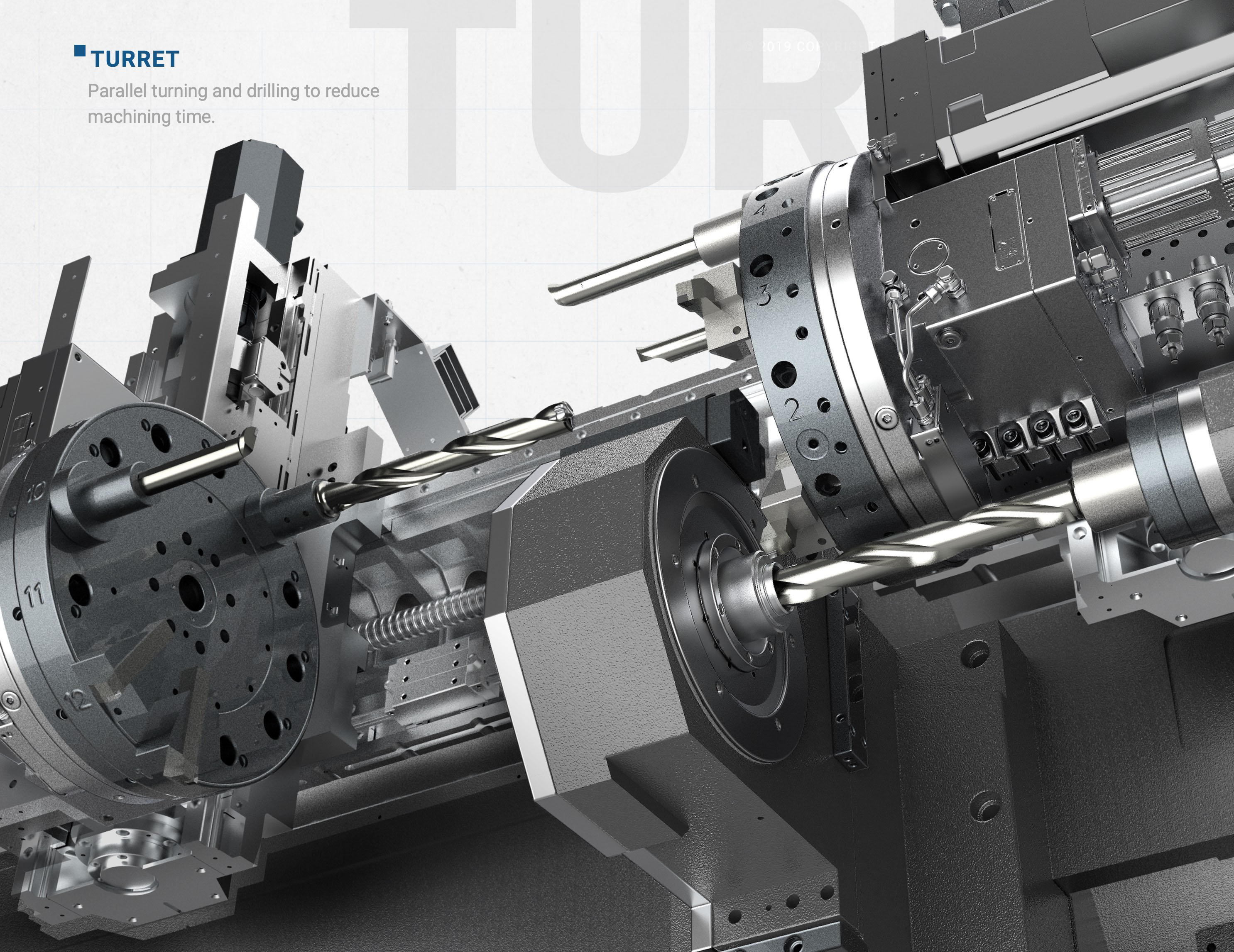
02. Ultimate Process Integration: Turning, Milling, and Deep-Hole Drilling in One
Fastcut has redefined the flexibility of machining centers. Through the seamless synergy of the Power Tailstock and Multi-Axis Turrets, complex processes are radically simplified on a single center drive lathe platform:
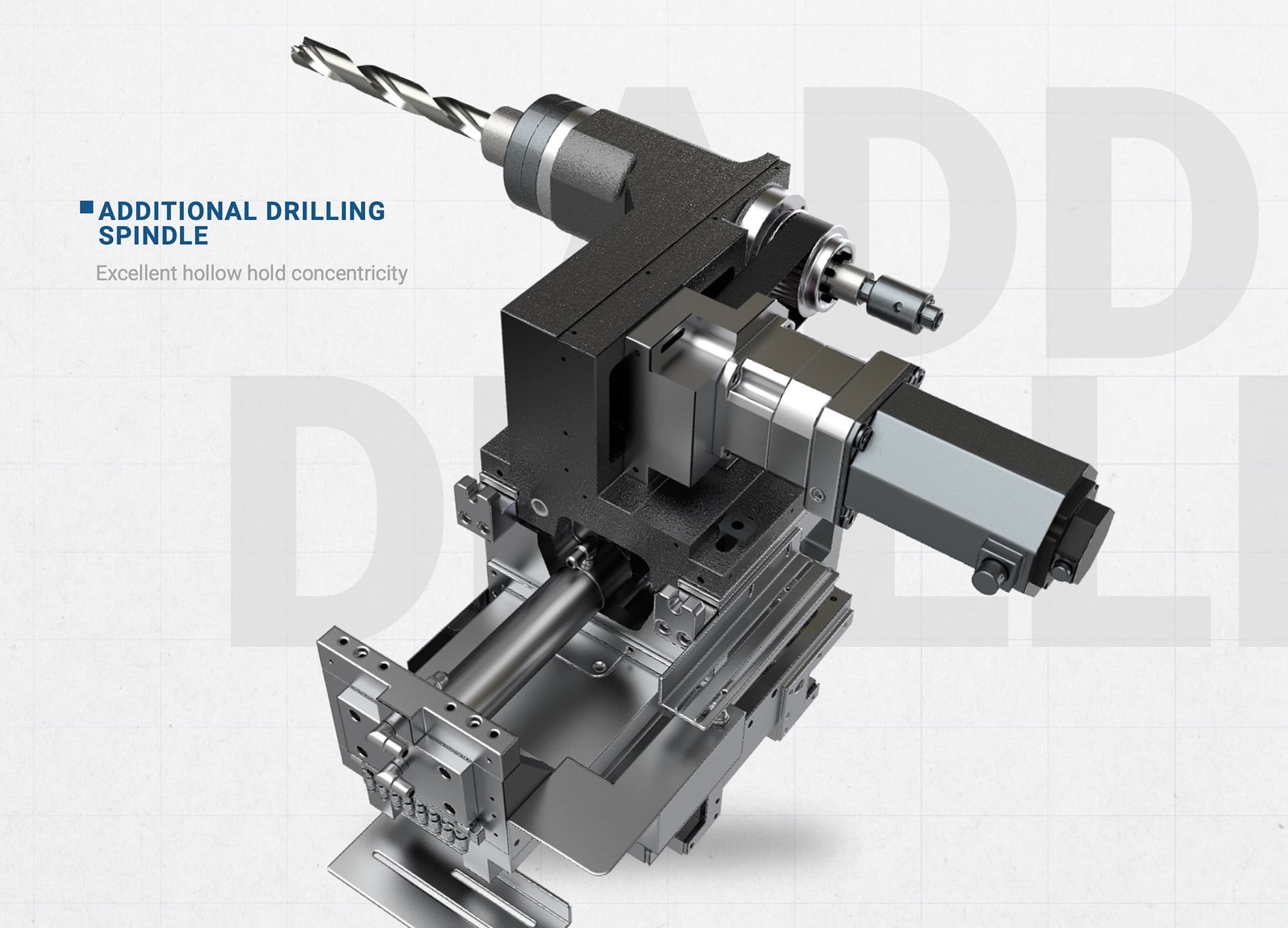
This level of integration is precisely what separates a standard lathe from a true center drive lathe built for modern production demands. Learn more about Fastcut's center drive lathe lineup and how each model is configured for specific industry applications.
The culmination of these technological advantages is the Fastcut XF10—a center drive lathe that is more than just a piece of equipment. It is your strategic partner for the market challenges of the next five years.
The XF10 isn't designed to just boost individual machine performance; it reimagines the entire machining logic. Designed for manufacturers who have already maximized conventional efficiency and need a new ceiling to break through, the XF10 delivers:
According to machining center principles, multi-process integration on a single platform is the defining direction of advanced manufacturing—and the XF10 is Fastcut's answer to that demand.
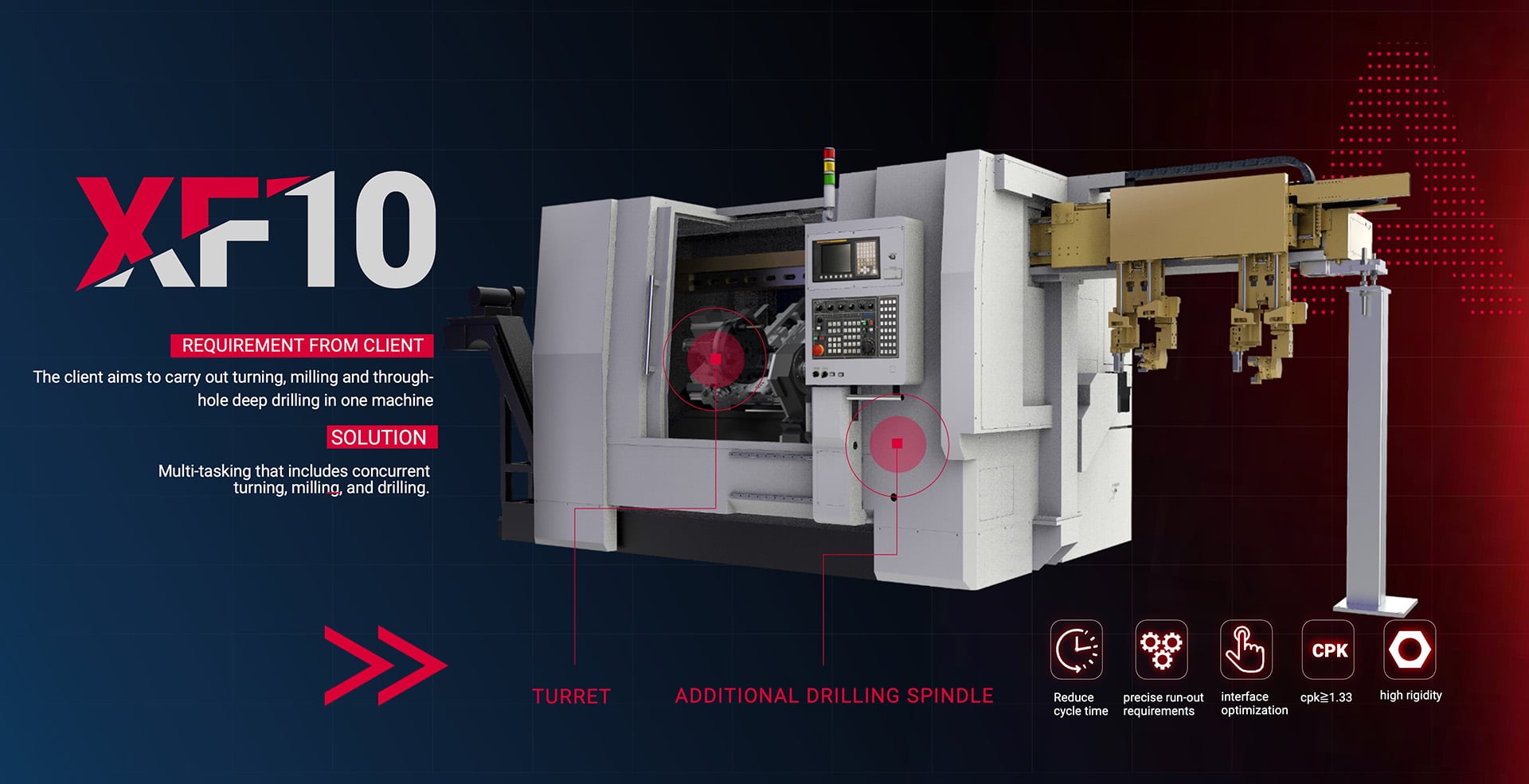
"With the XF10, your factory is no longer limited by space—only by imagination."
Q1. What makes a center drive lathe different from a conventional CNC lathe?
A center drive lathe grips the workpiece from the center rather than one end, enabling simultaneous machining on both ends of the part. This eliminates the need for re-fixturing and dramatically reduces cycle time and error accumulation.
Q2. Is a center drive lathe suitable for deep-hole drilling operations?
Yes. Advanced center drive lathe platforms like the Fastcut XF10 integrate deep-hole drilling modules directly into the machine cycle, removing the need for separate dedicated drilling equipment.
Q3. How does a center drive lathe improve floor space productivity?
By consolidating turning, milling, and drilling into a single center drive lathe setup, manufacturers can replace two or more standalone machines with one compact unit—effectively doubling output per square foot of floor space.
Q4. What industries benefit most from center drive lathe technology?
Industries producing complex shaft components, hydraulic parts, automotive drivetrain elements, and aerospace precision parts benefit most from center drive lathe technology, where concentricity and multi-process integration are critical.
If you are based in the North America , feel free to reach out to our local partner

|